What’s in a Name? Knowing what you are growing and eating – Food Trends 2025

What’s in a Name? Knowing what you are growing and eating – Food Trends 2025

What’s in a name? More than you think.

In 2025, short names on food packaging weren’t enough. Your consumers want full stories—where their food came from, how it was grown, and what’s in it. And they expect you to know the answers, not hide behind vague claims.

If you’re developing a product, naming it and understanding it go hand in hand. You can’t choose the right label if you don’t have a clear line of sight into your ingredients. You can’t build trust if you’re guessing what’s in your supply chain. It’s not just about safety or compliance -it’s about credibility – showing that you stand behind your product, all the way from seed to shelf.

Your label is a promise; today’s shoppers look for evidence behind that promise. This can include scanning QR codes, asking where the ingredients were sourced, and comparing nutrient claims. If there’s even a hint of confusion, some consumers will choose another product—or worse, call you out through various public channels.

As an ingredients business, if you’re not working toward full clarity on what you’re producing and selling, you’re already behind. Transparency and traceability aren’t branding perks or supply chain nice-to-haves, they’re foundational starting points. It’s becoming more and more apparent that these starting points can set credible products apart from empty pitches.


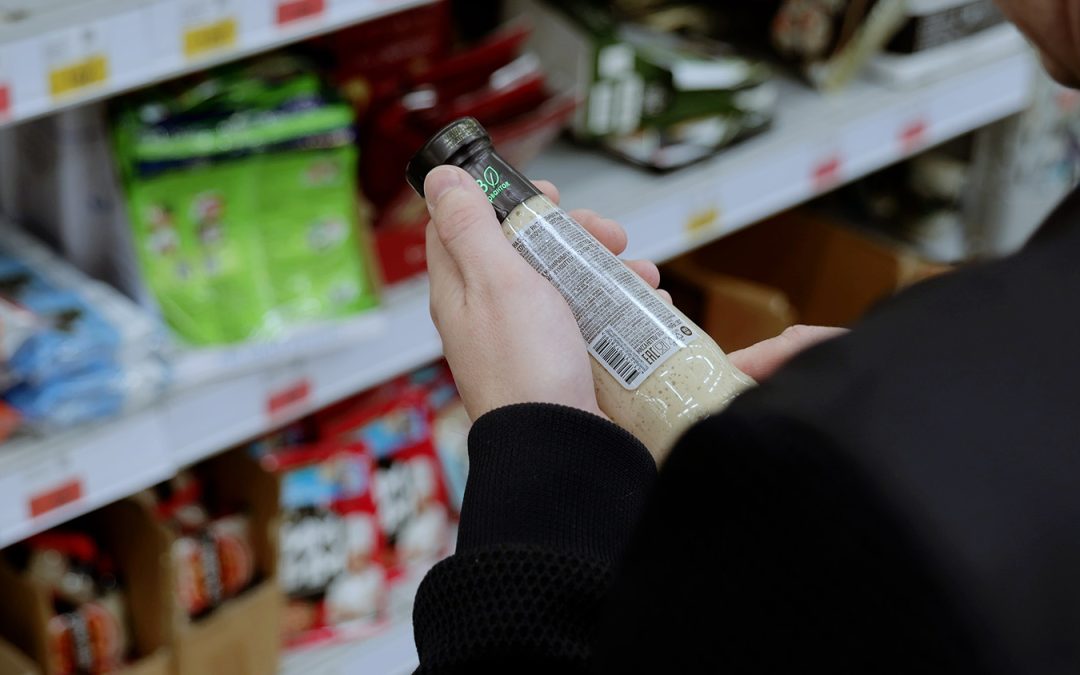
Shopper looking for transparency on food ingredient labels


Transparency in Food Development

Consumers are more informed than ever. 

Transparency isn’t optional anymore. If you want to build long-term consumer trust, you need to show what’s behind your product, where it came from, and why it’s there. This can extend to packaging, sourcing, and communication – all should align…

Clear labelling matters. Using terms, you can trace and prove is more desirable than broad claims that leave room for uncertainty. And if you use words such as “local” or “whole” or “clean-label”, be prepared to back these up with verifiable data… Clear, honest labels reflect clear, honest supply chains.

And when it comes to communications, avoid over-polishing. A development team should be in sync with its marketing and regulatory leads so what you’re promising reflects what’s being produced. No surprises, no contradictions, and no tiptoeing around the truth.

Transparent products hold up under scrutiny. That’s the whole point.

Traceability: From Insight to Advantage

If you don’t know where it came from, you can’t control what happens next. 

Traceability gives you visibility at every step. Algenuity links production records, batch data and detailed genetic information to every shipment — traceability down to the source, so you can map a claim back to its origin in seconds, not days. That capability is more than recall insurance — it’s operational control.

Traceability isn’t just risk-management —it’s market advantage and operational control. With the right systems in place, you can:

  • Validate suppliers with data, not assumptions
  • Troubleshoot fast when concerns arise
  • Meet audit, regulatory and retail demands confidently
  • Speed approvals and scale without risk bottlenecks
  • Build virtual twins to identify areas where gains and improvements can be made either to the final product or the manufacturing process or both.

Traceability works when systems connect. No hassle, no searching — just quick origin-to-batch visibility.

If transparency is what your customers see, traceability is how you make sure it’s real.


Algenuity Colleagues Reviewing FDA Compliance Charts with Labeled Samples
Algenuity EdenPro Ingredient Label

Conclusion: Preparing for the Future of Food

You’re not just making products. You’re making promises.

Clarity around what you grow, source, and sell isn’t an abstract ideal—it’s practical leverage. When you know exactly what’s going into your formulations, and you can trace every input back to its origin, you’re not guessing – you’re shipping with confidence.

For 2026 and the future, transparency isn’t a compliance box — it’s a competitive edge that helps you meet demand from buyers and regulators, shaping your ability to stay aligned with what consumers expect: honesty, simplicity, and proof.

This is where food is heading. Product labels without shortcuts. Inputs you can trace. Claims you can backup. Consumers are looking increasingly closely at what they eat – especially so with the recent rise in the use of GLP-1 and GIP targeted drugs. Those consumers who find gaps in your story will often chose something else. Some will post. Some will do both...

Algenuity is trusted by forward-thinking food manufacturers for a reason: “We’ve always been on a mission to deliver global impact. Our ingredients can transform the carbon footprint of everyday foods that are often reliant on animal sources of nutrition; through the use of a single, clean-label, whole-food ingredient, we can often simplify ingredient decks while bringing nutrient density alongside mouthfeel, texture, and functionality. Our next-generation Chlorella ingredients platform offers a sustainable, scalable complete protein source, backed by fermentation-based consistency and batch-level traceability coupled with full genomics level analysis and documentation.”

If you’re developing the next generation of products, you need more than good taste and clever marketing. You need real clarity. That means knowing what you’re growing and standing behind it all the way through.

Visit www.algenuity.com to request samples, download technical dossiers, or speak with the Algenuity technical team about integrating traceable Chlorella into your formulations.

Transparency and traceability aren’t trends. They’re the new table stakes.

Useful Links:

Guidance from the Food Standards Agency

Official traceability regulations for food businesses

EFSA frameworks for ingredient traceability

GS1-compliant traceability systems
Future of Food Market Outlook

Global algae protein research


Algae Protein: Why it’s Emerging as a Key Ingredient in Sustainable Nutrition

Algae Protein: Why it’s Emerging as a Key Ingredient in Sustainable Nutrition

As global demand for protein continues to rise, so too does the need for alternative sources that are not only nutritionally complete but also environmentally responsible. Among the most promising developments in this space is algae protein—a natural, efficient, and scalable solution that’s starting to reshape how we think about plant-based nutrition.


Benefits of Algae Protein for Food Manufacturers

Algae-based protein refers to protein derived from microalgae—microscopic photosynthetic organisms that grow in freshwater or marine environments. Unlike traditional protein crops, algae are incredibly efficient: they grow rapidly, require minimal resources, and can be cultivated year-round in controlled environments.

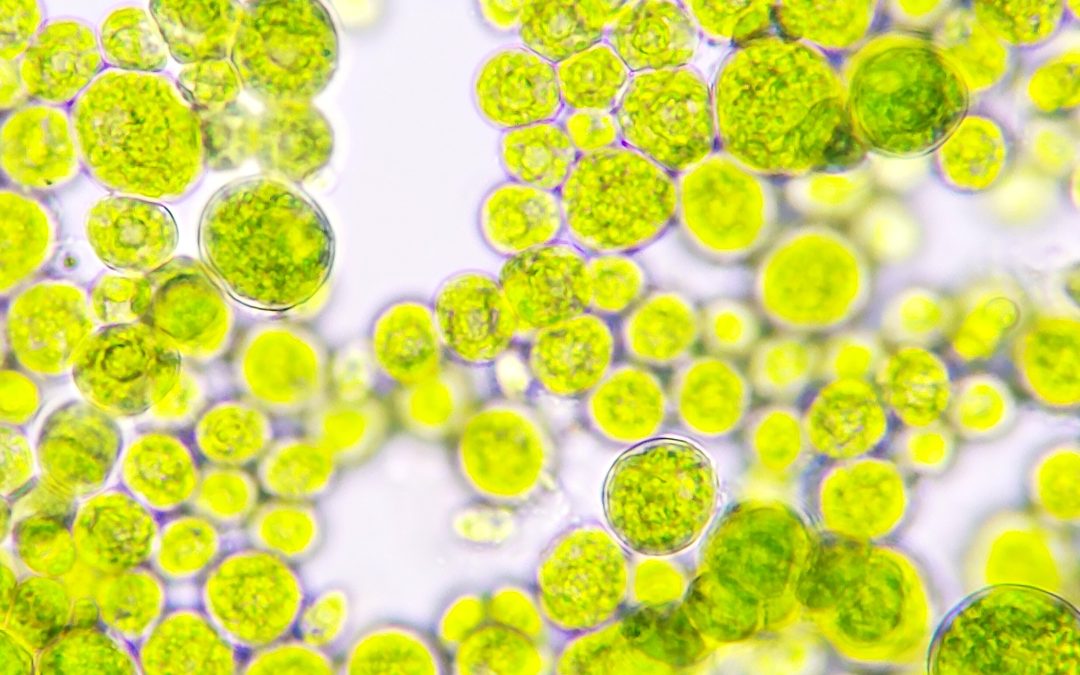
One of the most well-known microalgae in terms of nutritional value is Chlorella, a single-celled freshwater organism rich in protein, essential amino acids, and other nutrients.

At Algenuity, we focus on unlocking the potential of Chlorella through innovation in strain and process development and ingredient applications, creating ingredients that are not only functional, and highly nutritious, but also suitable for mainstream food applications and aligned to market needs.

A Nutrient-Dense, Sustainable Solution

Algae-based protein offers a compelling nutritional profile. Many species, including certain Chlorella strains, contain up to 60% protein by dry weight. This protein is complete—containing all nine essential amino acids—making it comparable to animal-based sources in quality, but far superior in sustainability.

Moreover, algae-based, whole-cell ingredients often include valuable extras including vitamins, minerals, and fibre, while being naturally low in saturated fats.

Environmental Advantages

One of the most significant benefits of algae-based protein is its low environmental impact in particular in comparison to animal sources of protein. Compared to land-based crops, microalgae (and in particular microalgae produced by microbial fermentation) require far less water, do not need arable farmland, and can be grown to very high density with year-round harvest and geographic flexibility.

At Algenuity, we produce our Chlorella using highly consistent and controlled microbial fermentation. While Chlorella is often traditionally cultivated photosynthetically outside using natural sunlight, our white Chlorella has been specifically selected and developed such that it is no longer photosynthetic. By microbial fermentation, the annual yield of dried Chlorella biomass per year when compared to an equivalent production volume capacity in litres of an outdoor photosynthetic facility, is as much as 250x greater. This allows industry-relevant scales to be realised and deliverable and also allows attractive market realistic ingredient price points to be achieved.

Innovation at the Core

What once held algae back—flavour, colour, and formulation challenges—are now being addressed through science and innovation. At Algenuity, we’ve developed Chlorella strains that lack chlorophyll as well as being optimised for protein content and quality including bioavailability. By removing the high chlorophyll content and associated very strong, overwhelming flavour profile as well as the deep green colour, we have unlocked the mainstream food ingredient opportunity for Chlorella.

Our white Chlorella family of ingredients are visually appealing, with a pleasant, nutty flavour profile and are easy to work with in a variety of food applications including as drop-in solutions in a food production factory. As protein rich, whole food ingredients, our Chlorella solutions can support the reformulation of foods without compromising on taste, mouthfeel, nutrition or performance.

A Quiet Revolution in Food Development

We believe that algae-based protein isn’t a fad—it’s part of a broader system-level transformation in how food is developed, sourced, and consumed. As more food producers look to diversify protein sources while reducing their environmental footprint, algae offer an elegant solution rooted in science, sustainability, and future-thinking and inherently aligned to food security needs.


Algae protein ingredient from Algenuity's white Chlorella

Incorporating Chlorella into Food Products:

Applications and Formulation Tips

Integrating Chlorella into various food products can elevate your offerings both nutritionally and sustainability-wise, while remaining cost conscious. Whether you’re crafting beverages, snacks, supplements, or baked goods, knowing how to use Chlorella effectively will make a noticeable difference. Here are just a few of the ways food manufacturers are integrating our Chlorella ingredients into next-generation products:

Beverages

Our Chlorella powders disperse easily into smoothies, juices, and functional beverages. Begin with low inclusion rates to optimise solubility, flavour balance, and visual appearance—then adjust based on your target nutritional profile.

Snacks & Nutritional Products

Being nutrient-dense, whole food ingredients, our Chlorella enhances the nutrient profile of bars, bites, and savoury snacks, supporting clean-label protein claims as well as ‘high in’ or ‘source of’ nutritional claims while transforming the saturated fat content, greenhouse gas numbers and contributing to a plant-based positioning.

Supplements

Whether used in powder, tablet or capsule form, our Chlorella delivers a natural, whole-food source of protein, micronutrients, and bioactives. Our ingredient formats are designed for formulation flexibility, offering manufacturers reliable performance and consistency across dosage forms.

Sauces, Soups and Dressings

Our white Chlorella ingredients can be used to create the indulgent creamy mouthfeel that is highly desirable in a savoury sauce, ‘cream of’ soup, or dressing. Our ingredients have viscosity, water and oil holding capacity, and emulsification properties making them highly suited to these applications.

Bakery Applications

Chlorella can be integrated seamlessly into sweet and savoury baked goods, bringing both nutritional and functional value and an opportunity to reduce or even entirely replace egg and/or dairy ingredients in everyday food applications. The ingredient properties support the creation of delicious baked goods with no compromise on moistness or crumb structure or rise.

When used in this capacity, nutrition is improved with reductions in saturated fat levels and often also overall calories while increases in the levels of key nutrients such as vitamins B12 and B9 (folic acid) and specific minerals such as manganese, selenium, molybdenum and zinc are delivered, supporting ‘high in’ or ‘source of’ product claims. GHG values are reduced or transformed in the final product Our white Chlorella can be used in factory as a drop-in dry ingredient.

Discover the benefits of Algenuity’s white chlorella as a whole-cell, algae-based protein ingredient. Ideal for food developers seeking nutritious and eco-friendly solutions in their products.


Conclusion and Recommendations for Food Developers

It’s absolutely known and accepted that Taste is King – this includes both flavour and textures, all of which contribute to the overall eating experience. Regardless of its nutritional or environmental benefits, if a food ingredient cannot support the production of food that is visually appealing, smells and tastes good the ultimate market uptake will be limited.

Our Chlorella ingredients satisfy all of the above, supporting the reformulation of existing foods to reduce over-reliance on animal-based ingredients, while making healthier, delicious and more sustainable foods and beverages.

Explore these opportunities to not only improve your product’s nutritional profile but also align with the demands for health, wellness, and sustainability in today’s market.

Contact one of our team today.

#AlgaeBasedProtein #FutureOfFood #SustainableNutrition #FoodTech #Microalgae #AlternativeProtein #PlantBasedInnovation #WhiteChlorella #MicrobialFermentation #EggandDairyFree #CleanLabel #HealthyNutrition #Sustainability #Foodsystems

Algenuity attends and exhibits at the Bezos Centre for Sustainable Protein kickoff event

Algenuity attends and exhibits at the Bezos Centre for Sustainable Protein kickoff event

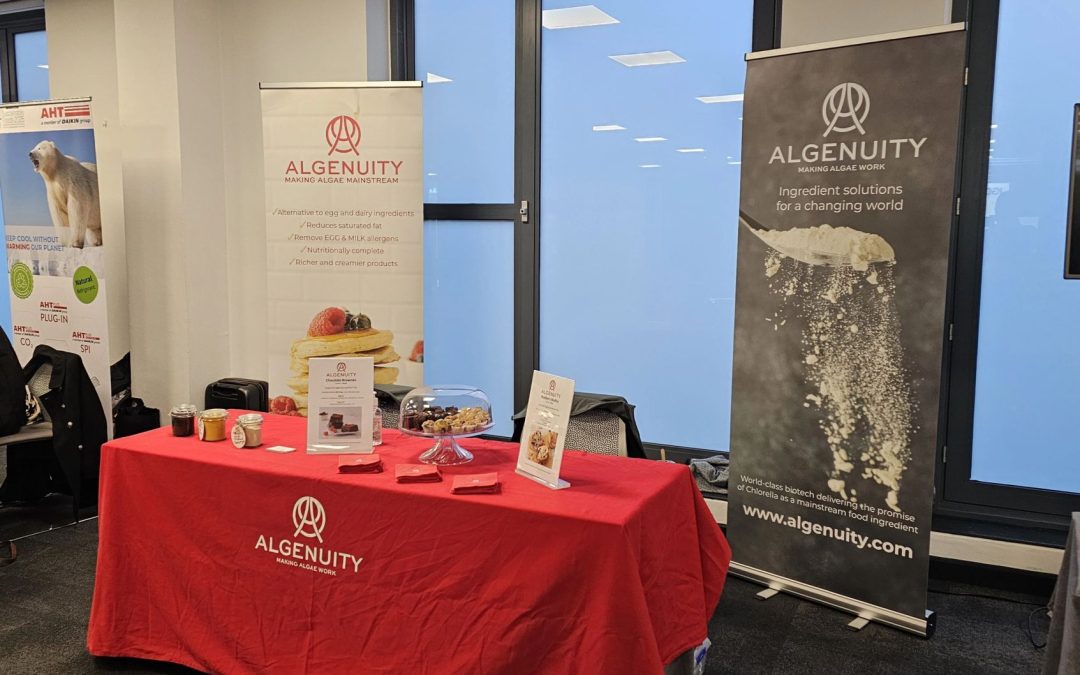
We’ve had a great start to the year with a couple of events already complete. We’re looking forward to speaking and showcasing our White Chlorella at more events in the coming weeks. Photo of the Bezos Centre for Sustainable Protein – Imperial Scientific Kick off in London a few weeks ago.


foodevents biotech plantprotein nutrition 


Algenuity attends and exhibits at Sustainable Foods London

Algenuity attends and exhibits at Sustainable Foods London

We are delighted to announce that Algenuity will be exhibiting at the 4th International Sustainable Foods Conference on 28th & 29th January, in London. Sustainable Foods convenes global executives from across F&D to discuss the transition towards a more resilient and sustainable supply chain.  If you are in London in January, do try and come along, we would love to connect!

*Register below using code SFEXHIBITOR25 for 10% off. We hope to see you there!*
https://lnkd.in/eVuSVG6V


Algenuity selects Rotterdam for European headquarter

Algenuity selects Rotterdam for European headquarter

Algenuity, a UK-based biotechnology company specializing in algae-based ingredients, has announced the opening of its European commercial headquarters in Rotterdam. This strategic expansion aims to enhance the company’s reach within Europe’s thriving biotech and food-tech sectors. Although maintaining its research and development facility in the UK, Algenuity’s new European hub will focus on the manufacturing, sales, and distribution of its innovative algae ingredients.

A key driver of Algenuity’s expansion is its white Chlorella, a versatile and sustainable ingredient poised to make an impact on the food and beverage industry. Unlike traditional green Chlorella, this variant features a neutral color and mild taste, making it suitable for a broader range of applications. White Chlorella also offers notable nutritional benefits, including high protein content, reduced saturated fat, and allergen-free properties. The ingredient supports food manufacturers aiming to reduce or replace animal-based components such as eggs, dairy, and butter, while meeting the growing demand for healthier and more sustainable food options.

To support the large-scale production of white Chlorella, Algenuity has partnered with Protinext BV, a Netherlands-based Contract Development and Manufacturing Organization (CDMO) that specializes in microbial fermentation and biotech production. This collaboration will enable Algenuity to scale its production capabilities and meet the needs of global markets. Commercial production is scheduled to begin in 2025.

“Establishing our European headquarters in Rotterdam marks a significant step for Algenuity,” commented Andrew Spicer, Chief Technology Officer & Founder. “White Chlorella offers a unique combination of sustainability, functionality, and nutrition. Its neutral color and taste, combined with its robust nutritional profile, make it an attractive option for food and beverage manufacturers. We’re excited to bring this ingredient to market and support the shift towards healthier and more sustainable food systems.”

The Rotterdam headquarters is strategically located to capitalize on the region’s robust infrastructure, innovative biotech ecosystem, and access to major European markets. The Netherlands is known for its commitment to food innovation, making it an ideal location for companies focused on alternative proteins and sustainable ingredients.

Algenuity’s production facility in The Netherlands will have the capacity to produce several thousand tons of white Chlorella biomass annually. This scale will ensure consistency, traceability, and reliability for food manufacturers looking to incorporate algae-based ingredients into their products. By offering a scalable and sustainable alternative, Algenuity aims to play a key role in the evolution of plant-based and microbial fermentation technologies.

The new headquarters and production capabilities position Algenuity to better serve European food manufacturers and support the growing demand for plant-based and sustainable food solutions. As more consumers seek products that align with their health and environmental values, ingredients like white Chlorella are set to play an increasingly important role in the future of food.

The company’s decision to establish its headquarters in Rotterdam reflects a broader trend of biotech and foodtech firms leveraging the region’s resources and expertise. By collaborating with Protinext BV and setting up operations in The Netherlands, Algenuity is well-positioned to accelerate the adoption of algae-based ingredients and contribute to a more sustainable food system.