
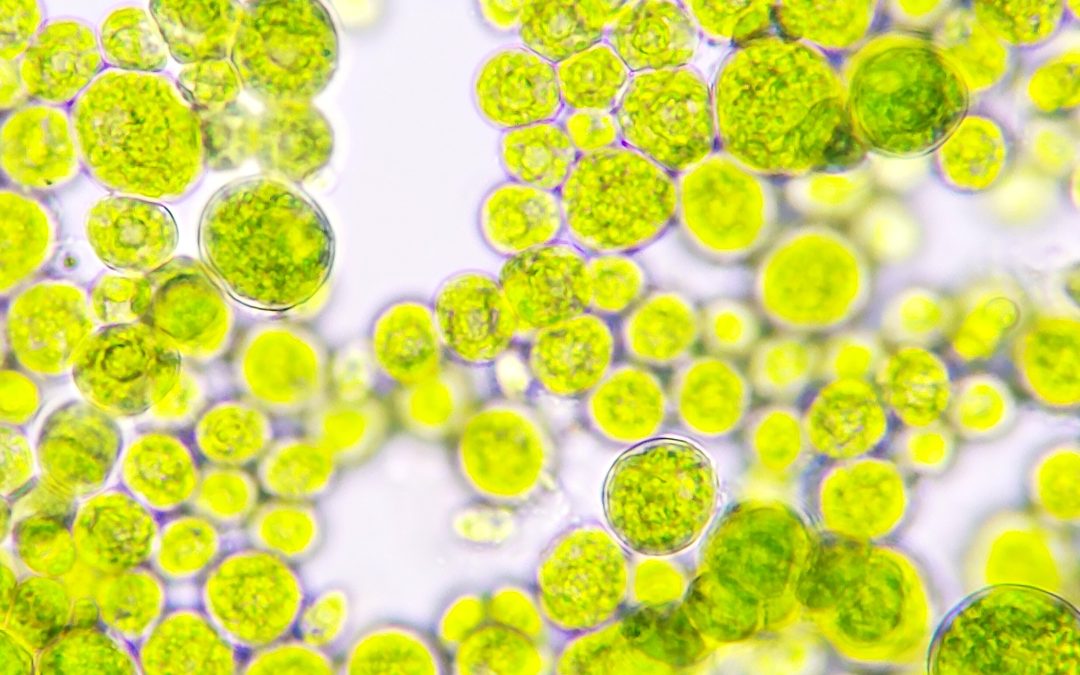
Algae Protein: Why it’s Emerging as a Key Ingredient in Sustainable Nutrition
As global demand for protein continues to rise, so too does the need for alternative sources that are not only nutritionally complete but also environmentally responsible. Among the most promising developments in this space is algae protein—a natural, efficient, and scalable solution that’s starting to reshape how we think about plant-based nutrition.
Benefits of Algae Protein for Food Manufacturers
Algae-based protein refers to protein derived from microalgae—microscopic photosynthetic organisms that grow in freshwater or marine environments. Unlike traditional protein crops, algae are incredibly efficient: they grow rapidly, require minimal resources, and can be cultivated year-round in controlled environments.
One of the most well-known microalgae in terms of nutritional value is Chlorella, a single-celled freshwater organism rich in protein, essential amino acids, and other nutrients.
At Algenuity, we focus on unlocking the potential of Chlorella through innovation in strain and process development and ingredient applications, creating ingredients that are not only functional, and highly nutritious, but also suitable for mainstream food applications and aligned to market needs.
A Nutrient-Dense, Sustainable Solution
Algae-based protein offers a compelling nutritional profile. Many species, including certain Chlorella strains, contain up to 60% protein by dry weight. This protein is complete—containing all nine essential amino acids—making it comparable to animal-based sources in quality, but far superior in sustainability.
Moreover, algae-based, whole-cell ingredients often include valuable extras including vitamins, minerals, and fibre, while being naturally low in saturated fats.
Environmental Advantages
One of the most significant benefits of algae-based protein is its low environmental impact in particular in comparison to animal sources of protein. Compared to land-based crops, microalgae (and in particular microalgae produced by microbial fermentation) require far less water, do not need arable farmland, and can be grown to very high density with year-round harvest and geographic flexibility.
At Algenuity, we produce our Chlorella using highly consistent and controlled microbial fermentation. While Chlorella is often traditionally cultivated photosynthetically outside using natural sunlight, our white Chlorella has been specifically selected and developed such that it is no longer photosynthetic. By microbial fermentation, the annual yield of dried Chlorella biomass per year when compared to an equivalent production volume capacity in litres of an outdoor photosynthetic facility, is as much as 250x greater. This allows industry-relevant scales to be realised and deliverable and also allows attractive market realistic ingredient price points to be achieved.
Innovation at the Core
What once held algae back—flavour, colour, and formulation challenges—are now being addressed through science and innovation. At Algenuity, we’ve developed Chlorella strains that lack chlorophyll as well as being optimised for protein content and quality including bioavailability. By removing the high chlorophyll content and associated very strong, overwhelming flavour profile as well as the deep green colour, we have unlocked the mainstream food ingredient opportunity for Chlorella.
Our white Chlorella family of ingredients are visually appealing, with a pleasant, nutty flavour profile and are easy to work with in a variety of food applications including as drop-in solutions in a food production factory. As protein rich, whole food ingredients, our Chlorella solutions can support the reformulation of foods without compromising on taste, mouthfeel, nutrition or performance.
A Quiet Revolution in Food Development
We believe that algae-based protein isn’t a fad—it’s part of a broader system-level transformation in how food is developed, sourced, and consumed. As more food producers look to diversify protein sources while reducing their environmental footprint, algae offer an elegant solution rooted in science, sustainability, and future-thinking and inherently aligned to food security needs.

Incorporating Chlorella into Food Products:
Applications and Formulation Tips
Integrating Chlorella into various food products can elevate your offerings both nutritionally and sustainability-wise, while remaining cost conscious. Whether you’re crafting beverages, snacks, supplements, or baked goods, knowing how to use Chlorella effectively will make a noticeable difference. Here are just a few of the ways food manufacturers are integrating our Chlorella ingredients into next-generation products:
Beverages
Our Chlorella powders disperse easily into smoothies, juices, and functional beverages. Begin with low inclusion rates to optimise solubility, flavour balance, and visual appearance—then adjust based on your target nutritional profile.
Snacks & Nutritional Products
Being nutrient-dense, whole food ingredients, our Chlorella enhances the nutrient profile of bars, bites, and savoury snacks, supporting clean-label protein claims as well as ‘high in’ or ‘source of’ nutritional claims while transforming the saturated fat content, greenhouse gas numbers and contributing to a plant-based positioning.
Supplements
Whether used in powder, tablet or capsule form, our Chlorella delivers a natural, whole-food source of protein, micronutrients, and bioactives. Our ingredient formats are designed for formulation flexibility, offering manufacturers reliable performance and consistency across dosage forms.
Sauces, Soups and Dressings
Our white Chlorella ingredients can be used to create the indulgent creamy mouthfeel that is highly desirable in a savoury sauce, ‘cream of’ soup, or dressing. Our ingredients have viscosity, water and oil holding capacity, and emulsification properties making them highly suited to these applications.
Bakery Applications
Chlorella can be integrated seamlessly into sweet and savoury baked goods, bringing both nutritional and functional value and an opportunity to reduce or even entirely replace egg and/or dairy ingredients in everyday food applications. The ingredient properties support the creation of delicious baked goods with no compromise on moistness or crumb structure or rise.
When used in this capacity, nutrition is improved with reductions in saturated fat levels and often also overall calories while increases in the levels of key nutrients such as vitamins B12 and B9 (folic acid) and specific minerals such as manganese, selenium, molybdenum and zinc are delivered, supporting ‘high in’ or ‘source of’ product claims. GHG values are reduced or transformed in the final product Our white Chlorella can be used in factory as a drop-in dry ingredient.

Conclusion and Recommendations for Food Developers
It’s absolutely known and accepted that Taste is King – this includes both flavour and textures, all of which contribute to the overall eating experience. Regardless of its nutritional or environmental benefits, if a food ingredient cannot support the production of food that is visually appealing, smells and tastes good the ultimate market uptake will be limited.
Our Chlorella ingredients satisfy all of the above, supporting the reformulation of existing foods to reduce over-reliance on animal-based ingredients, while making healthier, delicious and more sustainable foods and beverages.
Explore these opportunities to not only improve your product’s nutritional profile but also align with the demands for health, wellness, and sustainability in today’s market.
Contact one of our team today.
#AlgaeBasedProtein #FutureOfFood #SustainableNutrition #FoodTech #Microalgae #AlternativeProtein #PlantBasedInnovation #WhiteChlorella #MicrobialFermentation #EggandDairyFree #CleanLabel #HealthyNutrition #Sustainability #Foodsystems