
What’s in a Name? Knowing what you are growing and eating – Food Trends 2025
What’s in a name? More than you think.
In 2025, short names on food packaging weren’t enough. Your consumers want full stories—where their food came from, how it was grown, and what’s in it. And they expect you to know the answers, not hide behind vague claims.
If you’re developing a product, naming it and understanding it go hand in hand. You can’t choose the right label if you don’t have a clear line of sight into your ingredients. You can’t build trust if you’re guessing what’s in your supply chain. It’s not just about safety or compliance -it’s about credibility – showing that you stand behind your product, all the way from seed to shelf.
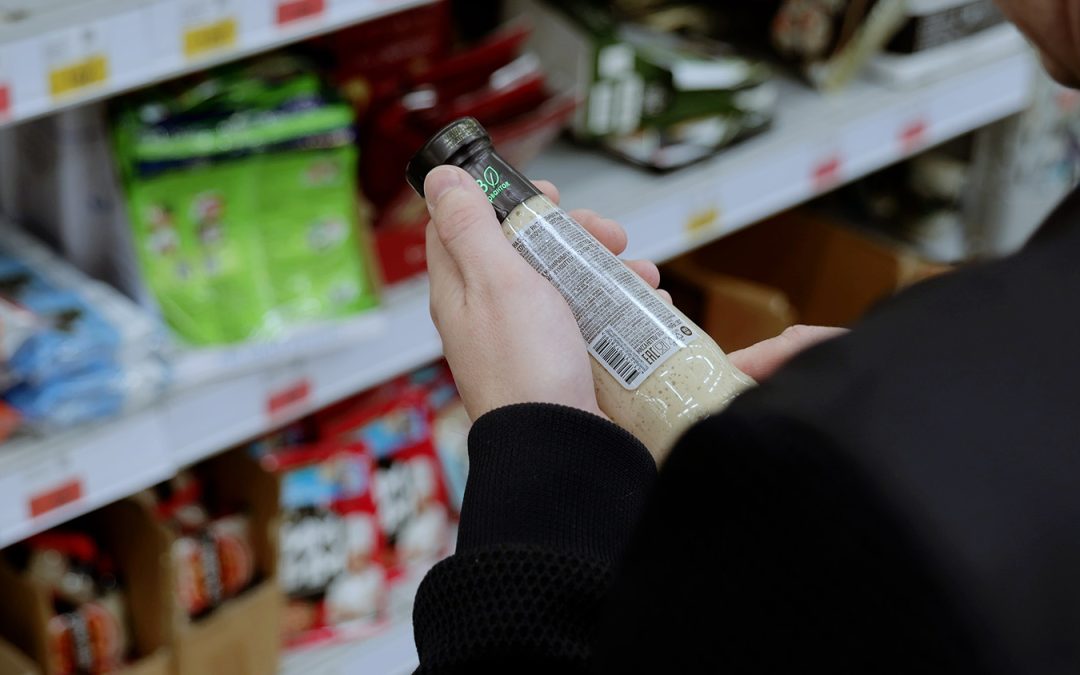
Your label is a promise; today’s shoppers look for evidence behind that promise. This can include scanning QR codes, asking where the ingredients were sourced, and comparing nutrient claims. If there’s even a hint of confusion, some consumers will choose another product—or worse, call you out through various public channels.
As an ingredients business, if you’re not working toward full clarity on what you’re producing and selling, you’re already behind. Transparency and traceability aren’t branding perks or supply chain nice-to-haves, they’re foundational starting points. It’s becoming more and more apparent that these starting points can set credible products apart from empty pitches.

Transparency in Food Development
Consumers are more informed than ever.
Transparency isn’t optional anymore. If you want to build long-term consumer trust, you need to show what’s behind your product, where it came from, and why it’s there. This can extend to packaging, sourcing, and communication – all should align…
Clear labelling matters. Using terms, you can trace and prove is more desirable than broad claims that leave room for uncertainty. And if you use words such as “local” or “whole” or “clean-label”, be prepared to back these up with verifiable data… Clear, honest labels reflect clear, honest supply chains.
And when it comes to communications, avoid over-polishing. A development team should be in sync with its marketing and regulatory leads so what you’re promising reflects what’s being produced. No surprises, no contradictions, and no tiptoeing around the truth.
Transparent products hold up under scrutiny. That’s the whole point.
Traceability: From Insight to Advantage
If you don’t know where it came from, you can’t control what happens next.
Traceability gives you visibility at every step. Algenuity links production records, batch data and detailed genetic information to every shipment — traceability down to the source, so you can map a claim back to its origin in seconds, not days. That capability is more than recall insurance — it’s operational control.
Traceability isn’t just risk-management —it’s market advantage and operational control. With the right systems in place, you can:
- Validate suppliers with data, not assumptions
- Troubleshoot fast when concerns arise
- Meet audit, regulatory and retail demands confidently
- Speed approvals and scale without risk bottlenecks
- Build virtual twins to identify areas where gains and improvements can be made either to the final product or the manufacturing process or both.
Traceability works when systems connect. No hassle, no searching — just quick origin-to-batch visibility.
If transparency is what your customers see, traceability is how you make sure it’s real.


Conclusion: Preparing for the Future of Food
You’re not just making products. You’re making promises.
Clarity around what you grow, source, and sell isn’t an abstract ideal—it’s practical leverage. When you know exactly what’s going into your formulations, and you can trace every input back to its origin, you’re not guessing – you’re shipping with confidence.
For 2026 and the future, transparency isn’t a compliance box — it’s a competitive edge that helps you meet demand from buyers and regulators, shaping your ability to stay aligned with what consumers expect: honesty, simplicity, and proof.
This is where food is heading. Product labels without shortcuts. Inputs you can trace. Claims you can backup. Consumers are looking increasingly closely at what they eat – especially so with the recent rise in the use of GLP-1 and GIP targeted drugs. Those consumers who find gaps in your story will often chose something else. Some will post. Some will do both...
Algenuity is trusted by forward-thinking food manufacturers for a reason: “We’ve always been on a mission to deliver global impact. Our ingredients can transform the carbon footprint of everyday foods that are often reliant on animal sources of nutrition; through the use of a single, clean-label, whole-food ingredient, we can often simplify ingredient decks while bringing nutrient density alongside mouthfeel, texture, and functionality. Our next-generation Chlorella ingredients platform offers a sustainable, scalable complete protein source, backed by fermentation-based consistency and batch-level traceability coupled with full genomics level analysis and documentation.”
If you’re developing the next generation of products, you need more than good taste and clever marketing. You need real clarity. That means knowing what you’re growing and standing behind it all the way through.
Visit www.algenuity.com to request samples, download technical dossiers, or speak with the Algenuity technical team about integrating traceable Chlorella into your formulations.
Transparency and traceability aren’t trends. They’re the new table stakes.
Useful Links:
Guidance from the Food Standards Agency
Official traceability regulations for food businesses
EFSA frameworks for ingredient traceability
GS1-compliant traceability systems